
Vinidex manufacturers and supplies a broad range of products & systems to suit a range of applications.
Vinidex’s products and systems are versatile and can be used in a variety of markets and applications.
Choosing among China’s top 10 Safety Lockout Box suppliers requires more than comparing prices or catalog photos. A dependable supplier should demonstrate manufacturing experience, material consistency, testing procedures, and responsive technical support. In real facilities, a lockout box may face dust, oil, repeated handling, and crowded maintenance rooms. Its hinges, labels, hasps, and wall-mounting points must remain practical after daily use.
Richard A. Fairfax, former director of OSHA’s Directorate of Enforcement Programs, emphasized the core principle: “Energy control is not a paperwork exercise; it is a physical process.” This idea provides a useful lens for evaluating every Safety Lockout Box supplier. The best products help workers control shared keys, personal locks, tags, and documented procedures without confusion. Clear visibility matters. So does quick access during an emergency shutdown.
This article introduces ten Chinese suppliers and examines their product quality, customization options, certifications, production capacity, and export experience. It also considers details that are easy to miss, including transparent covers, corrosion resistance, label durability, and compatibility with different padlock sizes. Some suppliers may look impressive online but offer limited after-sales support. That risk deserves attention. A ranking can guide research, but it cannot replace a site assessment or a trial order. Details matter. Readers should confirm current certifications, factory capabilities, and delivery terms before making a final decision.
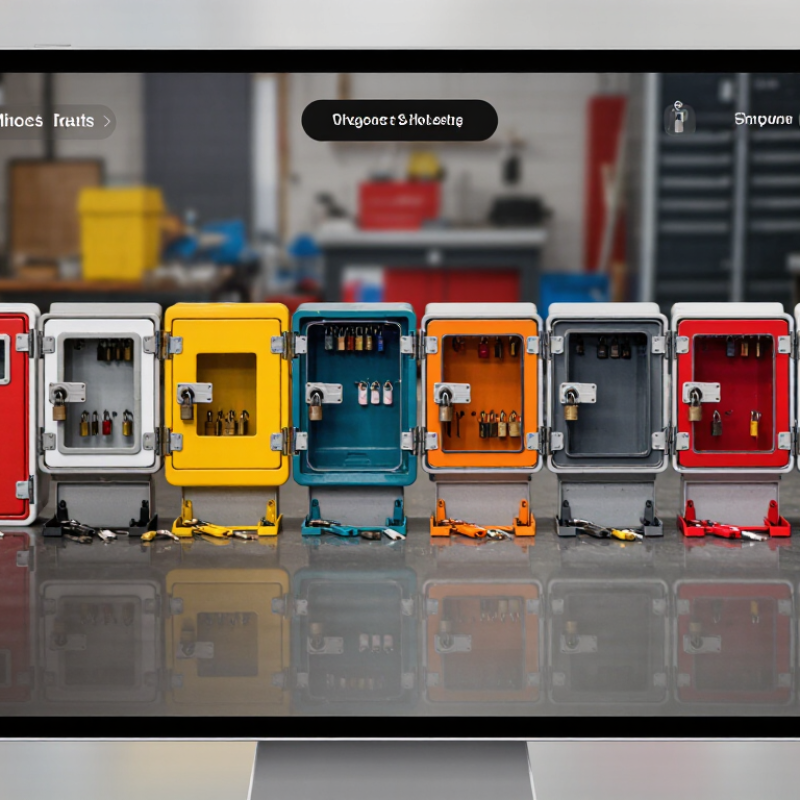
A safety lockout box is a controlled storage station for locks, hasps, tags, and isolation records. It supports lockout/tagout procedures during machine servicing or maintenance. Workers use it to prevent unexpected startup, electrical release, or pressure discharge. A typical box sits near the work area, with visible labels and numbered locks.
The need is substantial. OSHA estimates that effective hazardous-energy control can prevent about 120 deaths and 50,000 injuries each year. Its standard, 29 CFR 1910.147, requires documented procedures, employee training, and verification before work begins. HSE guidance HSG253 also stresses isolation, testing, and controlled restoration of energy.
A box helps organize these steps, but it cannot replace competent supervision.
In practice
In practice, an authorized worker isolates the equipment and places the key inside the box. Each participating worker then attaches a personal lock. No one removes another person’s lock without a documented, controlled process.
The box should resist corrosion, allow quick visual inspection, and hold records without crowding. When comparing suppliers in China, buyers should check material thickness, lock capacity, labeling quality, and testing evidence. A low price can hide weak hinges or unclear instructions.
That assumption is easy to make, and wrong. Field experience also shows a practical weakness: workers may treat the box as a storage cabinet. Regular audits and realistic training are still necessary.
Choosing a safety lockout box supplier requires more than comparing prices. OSHA reports that effective lockout/tagout programs prevent about 120 deaths and 50,000 injuries each year in the United States. This makes product reliability a purchasing priority, not a marketing detail. Check whether the supplier provides material specifications, load tests, corrosion resistance data, and clear production records. A sturdy box should protect locks, tags, and hasps in dusty workshops, wet maintenance areas, and outdoor cabinets.
OSHA reports that effective lockout/tagout programs prevent about 120 deaths and 50,000 injuries each year in the United States.
Ask for samples from the same production line used for bulk orders. Inspect hinge alignment, latch strength, wall thickness, labeling, and drainage design. Request test reports with dates, methods, and responsible laboratories. ISO 45001 can support a supplier’s safety-management credibility, but certification alone proves little about daily quality control. Audit incoming-material checks, inspection frequency, nonconformance handling, and traceability. Small details matter.
Ask for samples from the same production line used for bulk orders. Inspect hinge alignment, latch strength, wall thickness, labeling, and drainage design.
Request test reports with dates, methods, and responsible laboratories. ISO 45001 can support a supplier’s safety-management credibility, but certification alone proves little about daily quality control.
The ILO’s 2023 report estimates nearly three million work-related deaths and 395 million non-fatal injuries worldwide each year. Suppliers should understand the operational purpose behind lockout equipment, not only its shape. Discuss custom colors, compartment layouts, bilingual instructions, and replacement-part availability. A responsive engineer is valuable. A perfect sales presentation is not. Some supplier documents may be incomplete, and that deserves direct questioning rather than automatic rejection. Compare corrective actions, sample results, and communication speed before signing a long-term agreement. Cost matters, but a cheaper box with weak hinges can create expensive uncertainty.
The ILO’s 2023 report estimates nearly three million work-related deaths and 395 million non-fatal injuries worldwide each year.
China’s top 10 safety lockout box suppliers should be judged by evidence, not attractive catalogs. A reliable supplier provides impact-resistant boxes, clear labels, secure hinges, and smooth locking points. During product checks, I would inspect wall thickness, latch alignment, and visibility through the front panel. Small faults matter. A loose hinge can slow an emergency procedure.
Experienced suppliers usually support different workplace layouts, including workshops, warehouses, utilities, and maintenance rooms. They should explain material choices, temperature limits, installation methods, and cleaning requirements. Strong suppliers also provide sample testing, production records, and consistent quality inspections. Independent audits and traceable batches improve confidence. However, no ranking stays permanent. Factory capacity, worker training, and export service can change over time.
Tips: Ask for a physical sample before placing a large order. Test the box with gloves and common lock sizes. Check whether labels remain readable after dust, oil, and repeated cleaning. Request inspection records, packaging details, and realistic delivery dates. A low price may hide thin materials or weak after-sales support. I have found that technical communication often reveals more than sales claims. Still, one sample cannot represent every batch, so periodic inspections remain necessary.
China’s top safety lockout box suppliers usually offer group lockout boxes, portable cases, wall-mounted stations, and compact kits. Common materials include stainless steel, powder-coated steel, ABS, and transparent polycarbonate. A practical box should resist impact, dust, and repeated handling. Check hinge strength, latch clearance, label visibility, and space for several personal padlocks. Small details matter.
Reliable suppliers often maintain ISO 9001 quality systems and provide material reports, inspection records, and traceable batch numbers. Some products may carry CE marking or meet workplace safety standards, but buyers should verify the exact model and certificate scope.
A certificate for one product does not automatically cover an entire catalog. This mistake appears often.
Manufacturing capability separates serious suppliers from simple traders.
Look for laser cutting, injection molding, CNC forming, powder coating, ultrasonic welding, and controlled final assembly. Strong factories inspect dimensions, coating thickness, lock-hole alignment, and load performance. Ask for sample testing before bulk production. Photos are useful, but not enough. I would also request a factory video call and recent inspection data. Even experienced buyers can overlook packaging damage or unclear instructions. The best supplier is not always the cheapest. It is the one that documents what it makes, tests what it ships, and responds clearly when a design needs correction.
China Top 10 Safety Lockout Box Suppliers?
How to Select the Right Chinese Supplier for Your Needs
Choosing a Chinese safety lockout box supplier requires more than comparing catalog prices. OSHA states that effective hazardous-energy control can prevent about 120 deaths and 50,000 injuries annually in the United States. Its standard also covers nearly three million workers. These figures make supplier verification a safety decision, not merely a purchasing task.
Request material specifications, load tests, fire-resistance information, and inspection records before approving samples. Polycarbonate boxes should resist impact, chemicals, and temperature changes. Check whether hinges remain secure after repeated opening. Ask for batch traceability and a documented corrective-action process. ISO 45001 can guide your review of the supplier’s safety management practices, although certification alone proves little. It must match factory behavior.
Audit production capacity, molding quality, packaging, and delivery records. A factory visit can reveal dusty assembly areas, mixed materials, or weak final inspection. Remote audits help, but they miss uncomfortable details. That matters. Confirm product dimensions against your lockout devices, especially hasps and oversized padlocks. Review export documents and independent test reports carefully. OSHA guidance and NIOSH research remain useful reference points when evaluating product claims. Low prices can be attractive, yet inconsistent batches may create hidden replacement costs. I would request a pilot order, record defects, and reassess the supplier after several production cycles. Perhaps that extra step feels excessive. It is usually cheaper than discovering poor fit during an emergency.
Supplier evaluation should focus on measurable procurement factors rather than brand visibility. The chart below presents a practical 100-point weighting framework for comparing Chinese safety lockout box suppliers.
Compliance documentation and product durability receive the highest weighting because they directly affect workplace safety and regulatory acceptance. Lead time, customization, minimum order quantity, quality control, and after-sales support can then be used to distinguish suppliers with similar product capabilities.