How to Choose PE Pipe Fittings in 2026?
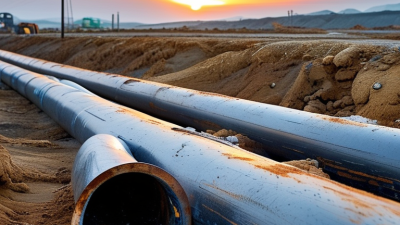
Choosing pe pipe fittings in 2026 requires more than comparing prices or catalogue photographs. The fitting must match the pipe’s resin, diameter, SDR rating, pressure class, and joining method. A bright warehouse display proves little. The real test appears underground, beside a trench, under changing temperatures and uneven installation conditions.
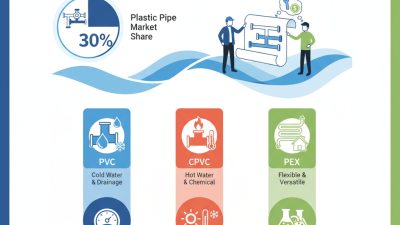
Industry demand is expanding. MarketsandMarkets projects the global plastic pipes market to reach approximately USD 71.4 billion by 2028, compared with USD 51.5 billion in 2023. Grand View Research also identifies water infrastructure, wastewater networks, and industrial applications as major growth areas. These reports do not guarantee every fitting will perform well. Selection still depends on traceability, dimensional accuracy, and certified manufacturing.
Tony Radoszewski, former president and chief executive of the Plastics Pipe Institute, has stated, “The best piping system is only as good as its installation.” That principle deserves attention. A technically excellent pe pipe fittings system can fail after poor fusion preparation, contamination, incorrect heating, or inadequate operator training. Small details matter.
Look for compliance with relevant standards, including ISO 4427, ASTM F714, and applicable local specifications. Confirm whether the project needs butt-fusion fittings, electrofusion fittings, mechanical couplings, or transition adapters. Check pressure data at the actual operating temperature. Ask for test certificates, batch identification, and installation guidance.
That sounds straightforward. Real projects are not.
Even experienced buyers can overlook thermal expansion, soil movement, or access limitations. This guide examines the practical choices, common mistakes, supplier evidence, and performance questions that should shape a reliable 2026 purchasing decision.
What Are PE Pipe Fittings and Where Are They Used?
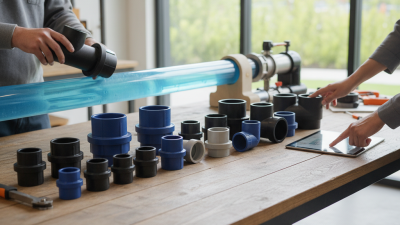
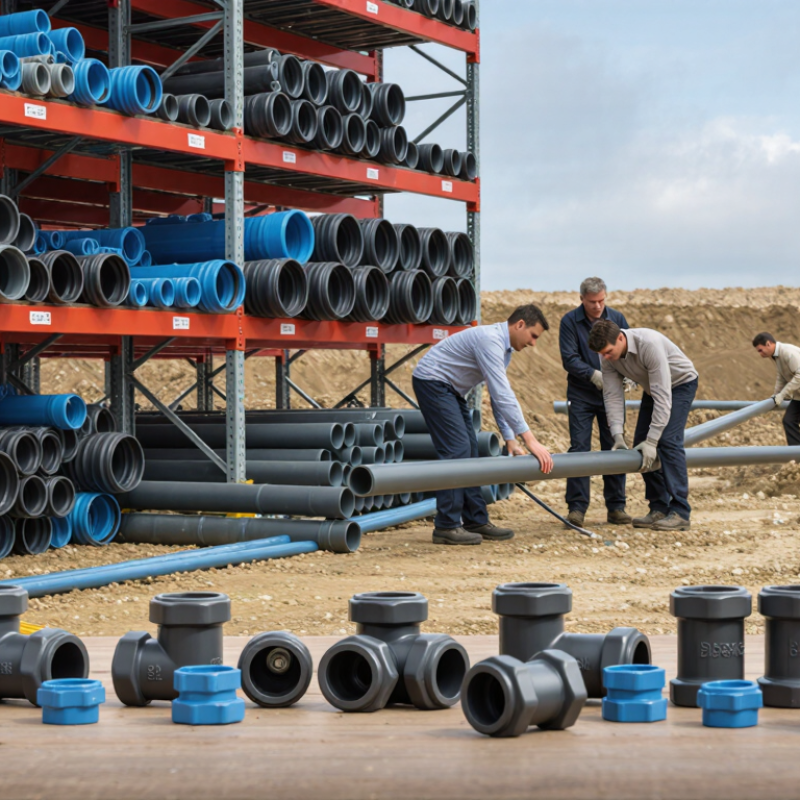
PE pipe fittings are connection components made for polyethylene piping systems. They join straight pipes, change direction, reduce diameter, or create branch lines. Common types include elbows, tees, reducers, couplers, flanges, and end caps. Some connect through heat fusion, while others use mechanical compression or bolted joints.
The joint matters. Fusion fittings can create a continuous connection with strong leak resistance when surfaces are clean and heating is controlled. Mechanical fittings are useful where disassembly, repairs, or mixed materials are expected. PE fittings are widely used in drinking water networks, irrigation, wastewater systems, drainage, aquaculture, and industrial process lines. Their flexibility helps absorb ground movement and vibration. This is valuable beneath roads or uneven soil.
Choosing the correct fitting requires more than matching pipe diameter. Check the pressure rating, SDR classification, temperature, fluid type, and joining method. Installation space also matters, especially around valve chambers and narrow trenches. A fitting that looks right can still fail when its pressure class is too low. I have seen specifications focus heavily on size while overlooking temperature changes and pipe movement. That mistake is easy to repeat. Small details matter. Inspect the pipe surface, remove dirt, and verify alignment before joining. Fusion equipment should be calibrated and operated by trained personnel. For critical systems, follow applicable engineering standards and keep installation records, including fusion times, pressure readings, and inspection results.
How to Choose PE Pipe Fittings in 2026?
What Are PE Pipe Fittings and Where Are They Used?
PE pipe fittings connect polyethylene pipelines through butt fusion, electrofusion, mechanical joints, or flanged connections. Match the fitting pressure class to the pipe SDR: lower SDR values indicate thicker pipe walls and higher pressure capability. The values shown are common PE100 nominal pressure classes at 20°C based on ISO 4427 and EN 12201 practice. Actual selection should also consider fluid, operating temperature, joining method, surge pressure, and local regulations.
Which PE Fitting Types Match Your Piping Application?
How to Choose PE Pipe Fittings in 2026? Which PE Fitting Types Match Your Piping Application?
Choose the fitting by service conditions, not appearance.
For buried water mains, butt-fusion fittings suit continuous PE pipelines with matching outside diameters and SDR ratings. They create a smooth, fully restrained joint. The Plastics Pipe Institute’s PE Handbook indicates that properly designed polyethylene systems can provide service lives exceeding 50 years. That result depends on temperature, pressure, soil movement, and installation quality.
For repairs, tight trenches, or complex branch connections, electrofusion fittings offer useful flexibility. Their embedded heating wires fuse the fitting to the pipe surface. Follow ASTM F1055 and qualified fusion procedures carefully. A small scrape or poor cleaning step can undermine the joint. Compression fittings are practical for low-pressure irrigation, service connections, and temporary installations. They are faster, but restraint and long-term pressure performance require closer checking.
Match the fitting material to the conveyed fluid.
Drinking-water systems should follow the applicable requirements of NSF/ANSI/CAN 61 and local regulations. Industrial pipelines may need chemical compatibility checks, especially with solvents, acids, or elevated temperatures. AWWA M55 recommends evaluating pressure rating, surge, temperature, and joining methods together. That matters in real trenches. One overlooked pressure spike can change the fitting choice. Transition fittings also need careful selection when connecting PE to metal valves or flanges. The weak point is often not the PE pipe. It is the connection detail.
How Do Material Quality and Standards Affect Fitting Performance?
How to Choose PE Pipe Fittings in 2026?
Material quality directly affects how PE pipe fittings handle pressure, temperature, and ground movement. High-quality polyethylene should have consistent molecular properties and verified resistance to slow crack growth. Looks can mislead. A smooth fitting may still contain poor resin or uneven wall thickness.
In practical installations, I check the material grade, pressure rating, SDR compatibility, and fusion instructions. PE100 fittings often provide strong pressure performance, but the grade must match the pipe system. A fitting designed for one SDR may not suit another. This detail is easy to overlook. It can create weak joints, especially where pressure changes happen repeatedly.
Recognized standards, such as ISO 4427 or applicable ASTM requirements, help define dimensions, testing, and performance limits. However, a certificate alone is not enough. Inspectors should review traceability records, batch information, and test results from controlled laboratories. Testing matters. Storage also affects reliability. Long exposure to sunlight, dust, or extreme heat can damage surfaces before installation. During site work, I have seen installers clean a joint too quickly and skip careful alignment. That small shortcut can reduce fusion quality. The honest answer is that standards guide selection, but trained workmanship determines whether the fitting performs as intended. Local regulations and the latest standard edition still require verification.
What Installation and Inspection Factors Ensure Long-Term Reliability?
How to Choose PE Pipe Fittings in 2026?
Reliable PE fittings depend less on appearance and more on disciplined installation and inspection. ASTM D2837 uses 100,000-hour pressure testing to establish a hydrostatic design basis. The Plastics Pipe Institute’s Handbook of PE Pipe also recognizes long service potential, often exceeding 50 years, when temperature, pressure, and joining quality remain controlled.
Check the fitting’s pressure rating, outside diameter, SDR, resin classification, and temperature limits before installation. Do not mix dimensions casually.
During butt fusion, clean and align both pipe ends. Confirm heater temperature, melt bead formation, joining pressure, and cooling time against ASTM F2620 procedures. Electrofusion requires dry, scraped surfaces and stable clamping. Moisture can create a quiet failure point. It may look harmless.
Inspection should include fusion logs, operator identification, ambient conditions, and equipment calibration records. Examine the bead for uniform width and continuity. A crooked bead deserves investigation, even when the joint feels firm.
Pressure testing should follow the project specification and applicable standards, such as ISO 4427 or AWWA C906. Hold periods, temperature changes, and trapped air must be recorded because pressure readings can mislead.
Field experience shows that rushed backfilling causes more trouble than many visible fitting defects. Support the joint, protect it from sharp stones, and maintain specified burial conditions. A perfect fusion can still fail after poor bedding.
Visual inspection alone is insufficient; destructive sampling, non-destructive examination, or repeat testing may be justified for critical networks. The checklist is useful, but it is not infallible. Review weak evidence honestly.