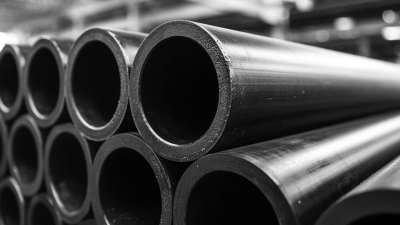
Understanding the Role of Polyethylene Pipe in Sustainable Water Management Practices
The growing awareness of sustainable water management practices is leading to the increased adoption of innovative materials in infrastructure development. Among these, polyethylene pipe has emerged as a crucial component due to its durability, flexibility, and corrosion resistance. According to the Plastics Pipe Institute, polyethylene pipe systems can last up to 100 years while offering significant reductions in water leakage, which is a pressing issue in many regions experiencing drought conditions. In fact, the American Society of Civil Engineers estimates that nearly 6 billion gallons of treated water are lost daily due to aging water infrastructure. By minimizing these losses, polyethylene pipe not only conserves valuable water resources but also reduces the energy consumption associated with water treatment and transportation. As communities strive for more efficient and sustainable water management solutions, the role of polyethylene pipe becomes increasingly indispensable in creating resilient infrastructures that are capable of meeting future demands.
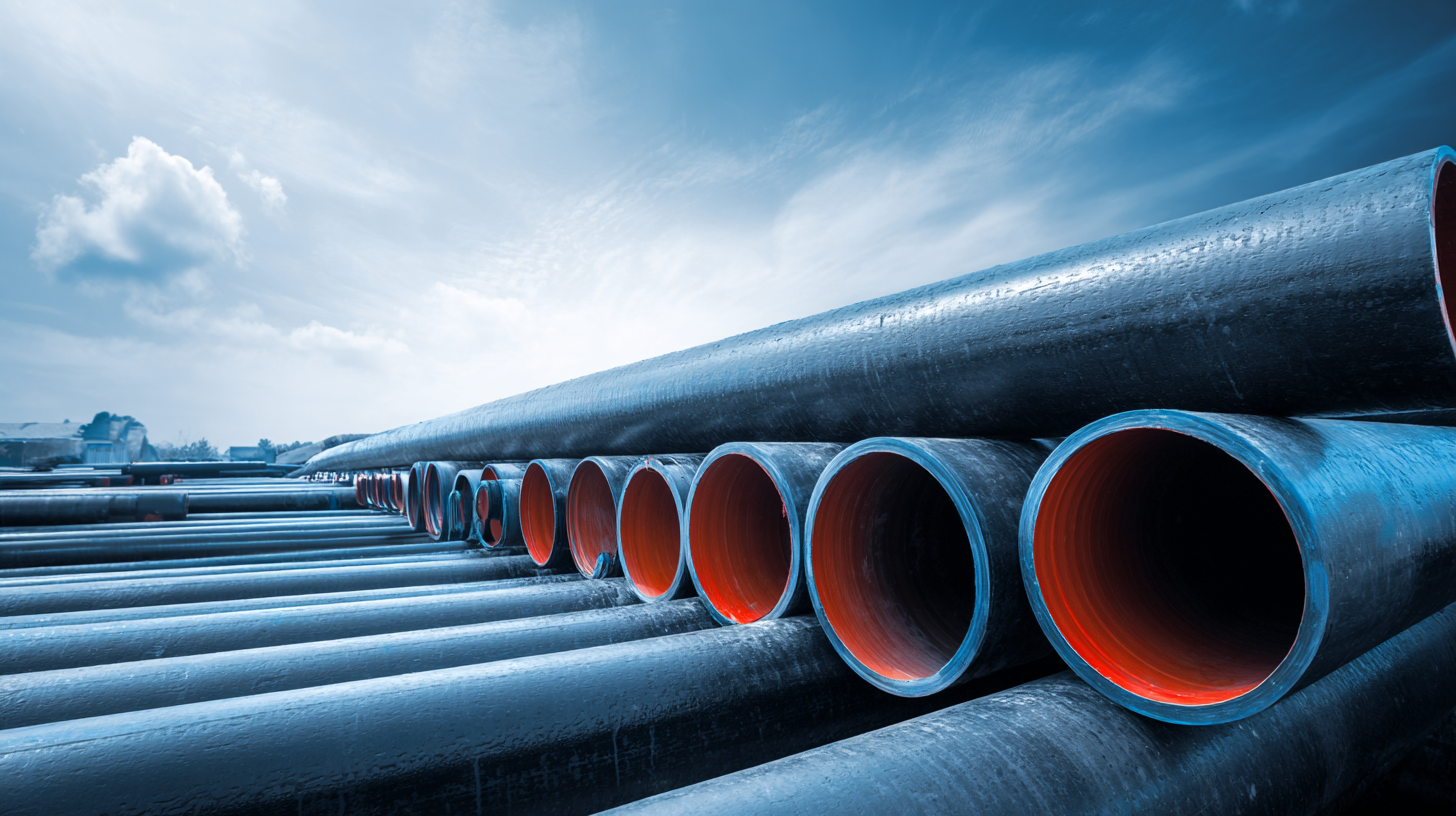
Best Practices for Selecting Polyethylene Pipe for Sustainable Water Systems
When selecting polyethylene (PE) pipe for sustainable water systems, several best practices should be considered to ensure efficiency and longevity.
One of the primary advantages of PE pipes is their resistance to corrosion, which can lead to significant maintenance savings. According to the Plastics Pipe Institute, the lifespan of PE pipes can exceed 100 years under proper conditions, significantly reducing the need for frequent replacements associated with traditional materials like metal and concrete.
Another crucial consideration is the pipe's diameter and pressure rating. The American Water Works Association (AWWA) recommends that utilities perform a thorough hydraulic analysis to determine the optimal size and pressure requirements for the specific application. This helps in minimizing water pressure loss and maximizing flow efficiency. Furthermore, selecting the appropriate joining methods—such as heat fusion techniques—ensures leak-free connections, further contributing to water conservation efforts.
Finally, it's essential to assess the environmental impact of the production and disposal of the PE pipes. Reports from the Environmental Protection Agency indicate that PE pipes are fully recyclable and can help reduce a water system's overall carbon footprint. By prioritizing these best practices, municipalities and organizations can enhance their water management practices using polyethylene pipes, thereby promoting sustainability and resilience in their infrastructure.
Innovative Applications of Polyethylene Pipe in Water Conservation Efforts
Polyethylene pipes have emerged as a vital component in modern water conservation efforts due to their durability, flexibility, and resistance to corrosion. These innovative pipes are increasingly used in various applications, including irrigation systems, stormwater management, and potable water distribution. By allowing for efficient water transport with minimal leaks, polyethylene pipes contribute significantly to reducing water wastage and enhancing the sustainability of water management practices.
As the demand for sustainable solutions grows, the market for HDPE pipes is projected to reach USD 25.68 billion by 2029, highlighting the industry's shift towards environmentally friendly construction materials. Their lightweight nature and ease of installation make polyethylene pipes an attractive option for new projects focused on water conservation. Furthermore, advancements in manufacturing technologies are facilitating the development of specialized pipe designs that cater specifically to the needs of water-saving applications, underscoring the pivotal role polyethylene pipes play in achieving water sustainability goals.
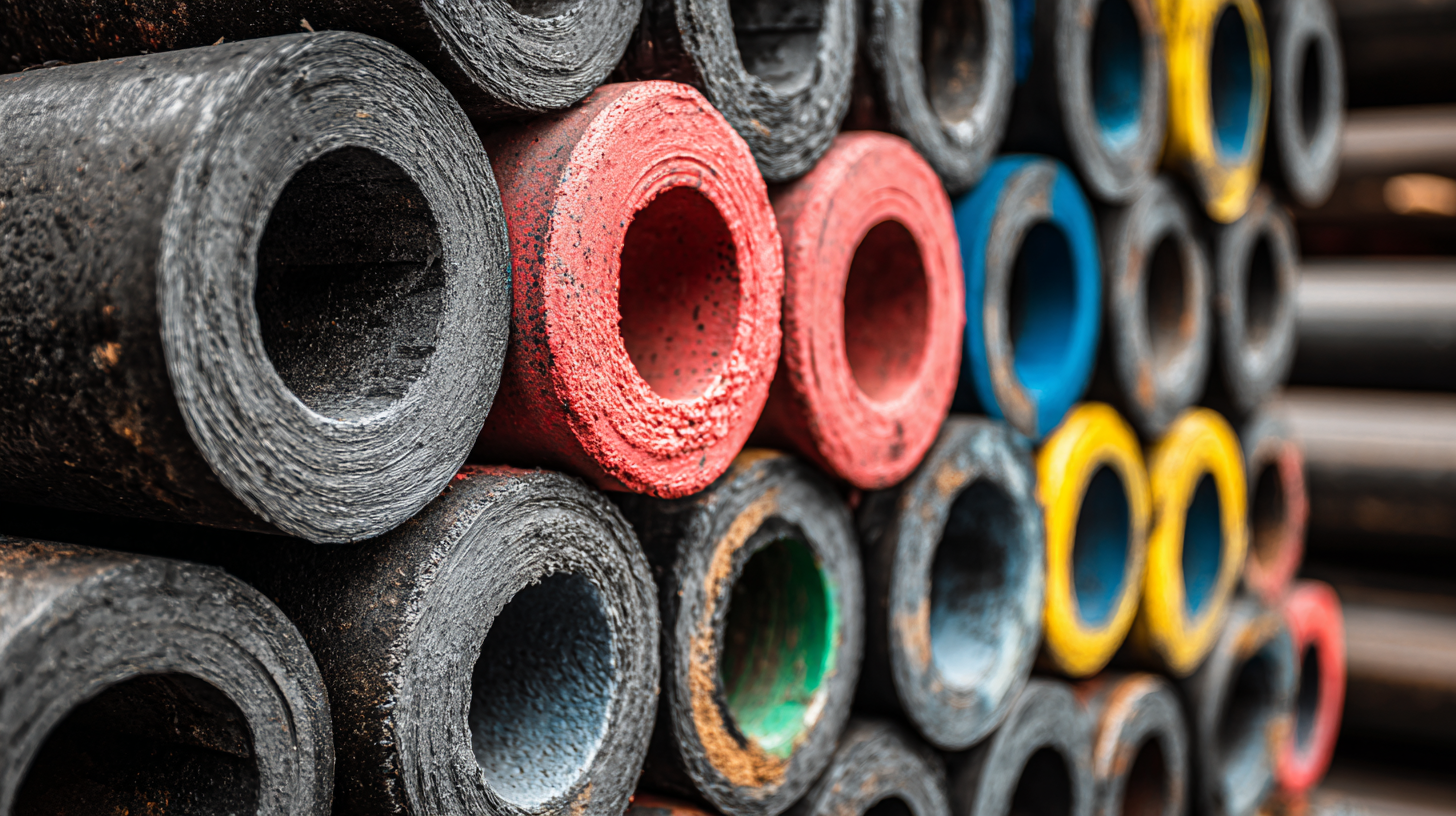
Techniques for Installing Polyethylene Pipe to Maximize Efficiency
When it comes to installing polyethylene pipe as part of sustainable water management practices, proper techniques are essential for maximizing efficiency and ensuring durability. One fundamental approach is careful site planning and assessment, which entails understanding the terrain, potential challenges, and water flow patterns. By evaluating these factors, installers can determine the ideal location for the pipes, minimizing unnecessary bends and potential pressure drops that can lead to inefficiencies.
Additionally, using the right joining methods is critical for maintaining the integrity of the polyethylene system. Fusion welding, for example, creates a strong and seamless connection between pipes, reducing the risk of leaks and ensuring a smooth water flow. Furthermore, installers should pay close attention to proper trenching practices, ensuring that the bottom of the trench is stable and free of sharp objects that could damage the pipe. By integrating these installation techniques, the performance of the polyethylene pipe can be optimized, contributing decisively to more sustainable water management.
Understanding the Role of Polyethylene Pipe in Sustainable Water Management Practices
This chart illustrates the efficiency of different polyethylene pipe installation techniques in terms of water loss prevention and cost-effectiveness.
Maintenance Strategies for Ensuring Longevity of Polyethylene Pipe Systems
Maintenance is crucial for ensuring the longevity of polyethylene pipe systems, particularly as their use becomes more widespread in sustainable water management practices. Proper maintenance strategies can significantly extend the lifespan of these pipes, contributing to both environmental sustainability and cost efficiency. Regular inspections for leaks and corrosion, coupled with the use of advanced technologies for weld inspection, can enhance the reliability of polyethylene systems. These proactive measures help in identifying potential issues before they escalate, ensuring that the pipes operate efficiently over time.
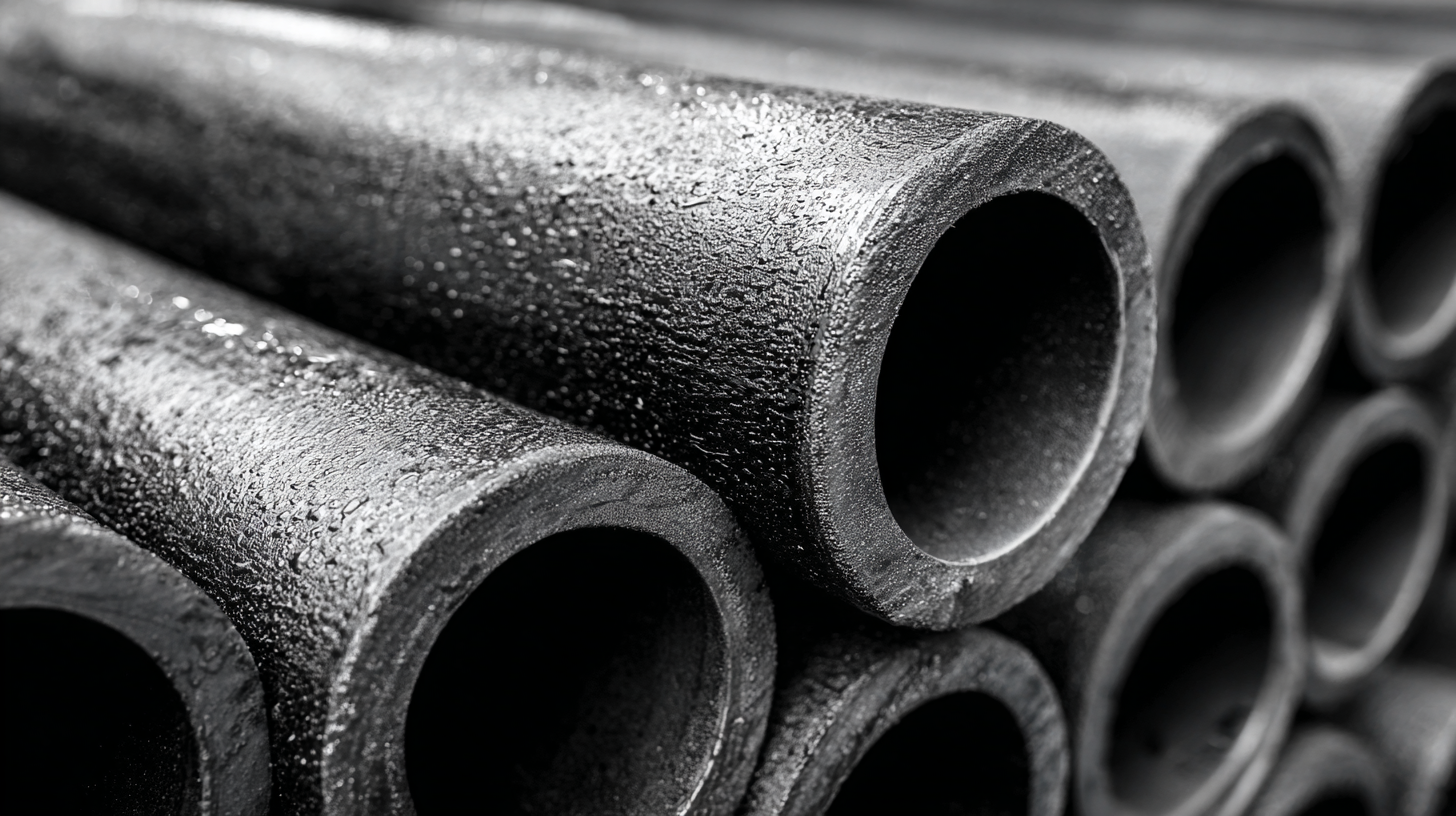
In the competitive landscape of piping materials, polyethylene (specifically HDPE) continues to gain traction due to its durability and resistance to various environmental factors. As the HDPE pipes market is projected to experience substantial growth, maintenance strategies will play a vital role in maximizing the benefits of these systems. Implementing routine maintenance schedules and investing in quality inspection practices not only helps in preserving the integrity of the pipes but also supports the overarching goal of sustainable water management. By prioritizing maintenance, stakeholders can ensure that their polyethylene pipe systems remain effective and sustainable for years to come.
Evaluating the Environmental Impact of Polyethylene Pipe in Water Management
The environmental impact of polyethylene pipe in water management systems is a critical area of focus as communities strive for sustainable practices. Polyethylene, known for its durability and resistance to corrosion, offers a lightweight alternative to traditional pipe materials, reducing energy consumption during transport and installation. Furthermore, its longevity minimizes the frequency of replacement, which can contribute to waste reduction. Properly installed, polyethylene pipes can lead to significant water conservation by reducing leakage through their seamless joints and flexible design.
Tips for choosing the right polyethylene pipes include considering factors such as pipe density and diameter to ensure optimal flow and pressure management. Additionally, being mindful of the installation process can further enhance the sustainability of the system. Avoiding direct exposure to UV rays during storage can prolong the life of the pipes, while using fittings from the same material can help maintain the integrity of the water flow. By making informed choices, water management practices utilizing polyethylene pipes can be both environmentally friendly and economically efficient, promoting a greener approach to resource management.